 Tim Popp

🎯 TL;DR — Quick Answer
Maryland VA loans serve a unique market — Fort Meade/NSA contractors, Annapolis military families, and DC-corridor service members. MD high-cost county VA loan limits exceed $1.1M. Tim Popp (NMLS #2039627) originates MD VA loans for military buyers.
Maryland is more than just a duty station. For veterans who understand the game, it’s a launchpad for a serious real estate portfolio. If you’re at Fort Meade, working NSA contracts, or tied to the Naval Academy in Annapolis, you’re sitting in one of the most resilient housing markets in the country.
The “Cyber Corridor” between Baltimore and D.C. gives you high-income tenants, stable government employment, and a constant flow of military families. When you use your VA loan here, you’re not just finding a place to live—you’re picking up a performing asset with zero down.
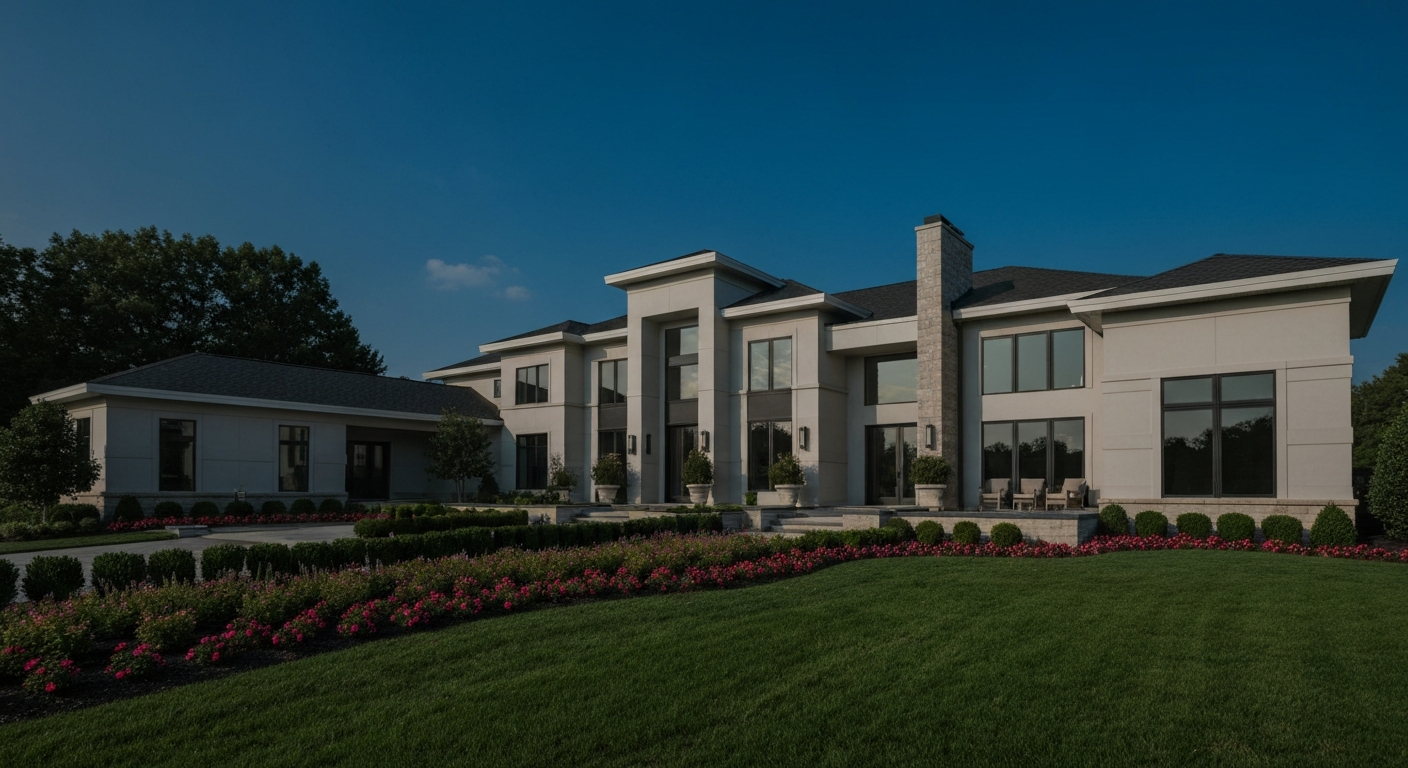
The Fort Meade and NSA Corridor Advantage
📌 From Tim — In Practice
In my experience, Maryland VA buyers I work with are heavily concentrated around Fort Meade, NSA, USNA Annapolis, and Andrews AFB. The DC-corridor pricing means most MD VA purchases are 0K-
.1M+ — and the high-cost county VA limits accommodate this.
The concentration of intelligence and cyber-security assets around Fort Meade creates what you could call a “recession-proof” bubble. When you look at real estate as an investor, you want high barriers for everyone else and low barriers for you.
Your VA loan is that low barrier. Civilian buyers are scraping together 20% down payments for expensive Maryland real estate. You can get into these appreciating markets with no down payment at all.
This area attracts a specific tenant: the high-clearance professional. Active duty, GS employees, or private defense contractors—these people have stable incomes and professional accountability. As a veteran landlord, that means lower vacancy rates and more reliable cash flow.
The Naval Academy adds another layer of stability. The constant cycle of officers and instructors moving in and out of Annapolis keeps well-located rental properties occupied year-round. This is ideal terrain for house hacking or building a rental portfolio.
House Hacking Maryland: Living for Free in the DC Suburbs
House hacking is the best wealth-building tool for the military community. The strategy is simple: buy a multi-unit property (up to four units) or a large single-family home and rent out a portion while you live in one unit.
In Maryland—Odenton, Laurel, Columbia—demand is so high that your tenants’ rent can cover most or all of your mortgage payment. You live for free or at a reduced cost, freeing up your BAH to invest elsewhere.
The VA loan is built for this. You can buy a multi-family property with $0 down if you occupy one unit. Most conventional investors need a 25% down payment for a four-unit building, which could easily hit $200,000 in the Maryland market.
If multi-family units are hard to find in your area, look at single-family homes with an Accessory Dwelling Unit (ADU) or a finished basement with a separate entrance. The “Cyber Corridor” is full of contractors and young officers looking for high-quality, private rentals.
Maximizing Your VA Entitlement in High-Cost Markets
Many veterans think there’s a hard “cap” on what they can borrow with a VA loan. If you have your full entitlement available, the VA doesn’t limit the loan amount—you just need to qualify for the monthly payments based on your income and credit.
In high-cost areas like Howard and Anne Arundel counties, this changes everything. You can buy a luxury home or a high-end multi-unit property that would otherwise require a massive jumbo loan down payment. Understanding your entitlement is the first step in scaling your portfolio.
If you’ve used your VA loan before and still own that property, you may have “remaining entitlement” that lets you buy another home in Maryland with $0 down. To understand your specific situation, check out our guide on VA Loan Entitlement: How Much Can You Borrow?
Ready to see what you qualify for?
See your options in minutes — we’ll get you a real answer fast.
VA Loans as an NSA Contractor
If you’ve transitioned out of the military and now work as a defense contractor for the NSA or a private firm, your income structure might look different. Understanding how lenders view contractor income matters for a smooth approval.
If you’re a W2 employee for a contracting firm, the process is straightforward. We look at your base pay, and as long as you have a stable two-year history in the same line of work (which your military service usually covers), you can qualify easily.
If you’re a 1099 independent contractor, lenders typically want to see a two-year history of self-employment income. There are exceptions—especially if you’re doing the exact same job you did while on active duty—but it requires a mortgage expert who knows how to present your file to underwriters.
Military spouses in the DC corridor also play a big role in qualifying. Many spouses work in high-level government or private sector roles. Their income can be the “secret weapon” that gets you qualified for a higher-priced multi-family property that generates more rental income down the line.

Scaling Your Portfolio: The “Move Out and Repeat” Strategy
The real wealth in real estate isn’t made on the day you buy your first home. It’s made when you move out and turn that home into a rental. In the military and contractor world, PCS moves or contract changes are frequent. Instead of selling your Maryland home when you move, keep it.
Because the Fort Meade area has such high rental demand, your property will likely cash flow once you move out. You then use your VA loan entitlement again at your next location. This lets you accumulate a string of high-value properties across the country, all financed with VA loan terms.
This strategy is the core of what I call the “Veteran Real Estate Investor” mindset. You’re using the government’s benefit to acquire assets that will eventually pay for your retirement. For a deep dive into this long-term approach, read our VA Loans for Real Estate Investors: The Complete Strategy Guide.
Maryland is an ideal place to start this journey because property values hold steady even during economic downturns. The federal government presence provides a safety net that most other markets lack.
The Naval Academy and Annapolis Market
If you’re looking for a higher-end investment, the Annapolis market near the Naval Academy offers unique opportunities. The entry price is higher, but the quality of the tenant is often exceptional—senior officers, visiting professors, and high-level government officials.
Rental properties in Annapolis often command a premium, especially those within walking distance of the Academy or the waterfront. These may not always follow the “1% rule” for cash flow, but the long-term appreciation potential in historic Annapolis is historically very strong.
As an investor, you have to decide between high cash flow (often found in the outskirts of Baltimore or Prince George’s County) and high appreciation/stability (found in Annapolis and parts of Howard County). Both are valid strategies. The VA loan lets you choose either path with zero money down.
Common Pitfalls for Maryland VA Buyers
While the VA loan is a powerful tool, Maryland has some specific challenges you need to be prepared for. First is property taxes. Maryland property taxes can be higher than what you’d find in states like Texas or Florida, so factor that into your monthly payment calculations.
The second challenge is the “VA Appraisal” and the condition of the home. VA appraisers look for “Minimum Property Requirements” (MPRs) to make sure the home is safe, sound, and sanitary. In some of the older parts of Maryland, things like peeling paint, old roofs, or outdated electrical systems can cause an appraisal to fail.
To avoid this, work with a real estate agent who understands the VA process and can spot potential “deal killers” before you even put in an offer. This is especially important in a competitive market where you want your offer to be as clean as possible.
Finally, be aware of the “Funding Fee.” Unless you have a service-connected disability rating of 10% or higher, you’ll likely pay a VA Funding Fee. This fee can be rolled into the loan amount, but it’s something to keep in mind when calculating your total loan balance and equity position.
How to Get Started in the Maryland Market
The first step is always the same: get a clear picture of your purchasing power. This is more than just a simple pre-approval letter. You need a comprehensive strategy session that looks at your current income, your career goals at the NSA or Fort Meade, and your long-term investment objectives.
I start by reviewing your Certificate of Eligibility (COE) to see exactly how much entitlement you have available. From there, we look at the specific counties you’re targeting—whether it’s the quiet suburbs of Carroll County or the busy streets of Silver Spring—to determine the right loan structure for your goals.
If you’re currently stationed elsewhere but headed to Maryland, it’s never too early to start the conversation. The Maryland market moves fast, and having your financing locked in gives you a big advantage over other buyers.
The goal is to move from “Homeowner” to “Property Owner” to “Real Estate Mogul.” The VA loan is the vehicle that gets you there. Whether you’re a mid-career contractor or a young ensign at the Academy, the Maryland corridor is the place to build your legacy.
If you’re looking for more regional strategies, you might find our Killeen Military Buyer Guide helpful for comparing different market dynamics across the country.
Summary of the Maryland VA Investor Strategy
- Focus on the Corridor: Target properties within a 20-minute commute of Fort Meade, the NSA, or the Naval Academy to get high rental demand.
- Think Multi-Unit: Use your $0 down benefit to buy duplexes, triplexes, or four-plexes to maximize your cash flow potential.
- Work With Contractor Income: Find a lender who understands how to qualify W2 and 1099 defense contractor income.
- Plan for the Move: Buy with the intent to hold the property as a rental when you eventually move out or PCS.
- Protect Your Equity: Factor in Maryland-specific costs like property taxes and potential HOA fees to make sure your investment stays profitable.
Maryland offers a rare opportunity to combine military service with aggressive wealth building. By using the VA loan as a strategic tool rather than just a mortgage, you can secure your financial future while serving your country or supporting the intelligence community. The “Cyber Corridor” is waiting—it’s time to make your move.
Talk to Tim about your deal
Whether you’re buying your first rental or your twentieth — straight answers, no runaround.
Tim Popp, NMLS #2039627 | West Capital Lending | Licensed in 36 states + DC. This content is for informational purposes only and does not constitute a commitment to lend or a guarantee of loan approval. All loan programs subject to borrower eligibility, property requirements, and lender terms.
For Different Reader Perspectives
🏠 First-Time Buyer
Quick answer: If you're a veteran in Maryland, your VA loan lets you buy with $0 down—even on pricier homes near Fort Meade or Annapolis. You could rent out part of the home to help cover your mortgage while you live there.
From Tim: First-time buyers worry about needing a huge down payment. With a VA loan, that's off the table. You can get into a home and start building equity right away—no 20% savings required.
💼 Self-Employed
Quick answer: Maryland's Fort Meade/NSA corridor is prime real estate for veterans—even if you're 1099. VA loans let you buy with $0 down, but self-employed income can trip you up. Bank Statement loans may help if your tax returns don't show enough.
From Tim: If you're a defense contractor filing Schedule C, your tax returns might not reflect what you actually make. We can use bank statements instead of W2s to get you qualified.
🎖️ Veteran
Quick answer: Maryland's Fort Meade and NSA corridor is ideal for VA buyers. Use 0% down to house hack or build a rental portfolio in a recession-resistant market full of high-clearance tenants. Your VA loan is a competitive advantage here.
From Tim: I help veterans turn BAH into equity. Maryland's cyber market rewards house hacking—you could live for free while building long-term wealth. Let's talk about your entitlement and goals.
🏘️ Investor
Quick answer: Maryland's Fort Meade corridor offers stable, high-income tenants ideal for rental portfolios. VA loans let you acquire properties with zero down, but they require owner-occupancy initially—then you can convert to rentals and scale using DSCR loans.
From Tim: Start with your VA entitlement, then graduate to DSCR for your next purchases. No tax returns, qualifies on rent roll. That's how you scale past the owner-occupancy requirement.
🏡 Refi / HELOC
Quick answer: If you own a home in Maryland's Fort Meade or Annapolis area, you're sitting on equity in a strong market. A HELOC or cash-out refi could fund renovations, investment property down payments, or debt consolidation—depending on your goals and loan structure.
From Tim: Maryland vets often use HELOCs to fund their next rental purchase while keeping their low VA rate intact. Cash-out refis work better if you want fixed payments or are consolidating high-interest debt.