 Tim Popp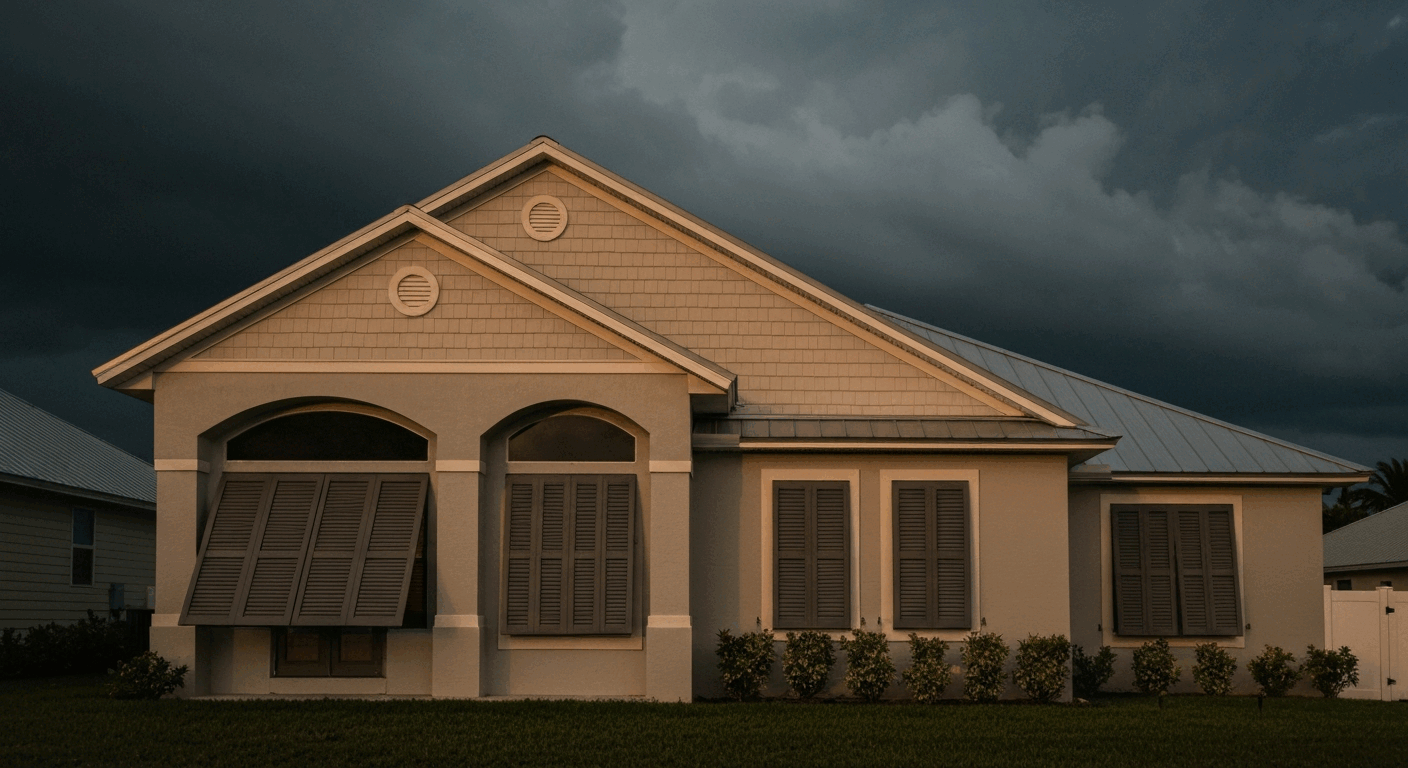

🎯 TL;DR — Quick Answer
Florida hurricane insurance is a major DSCR underwriting variable in coastal counties (Miami-Dade, Broward, Palm Beach, Lee, Pinellas). Annual premiums can range from $3K-$15K+, significantly impacting DSCR calculations. Tim Popp (NMLS #2039627) helps FL investors model insurance into DSCR math.
Florida real estate can make you a lot of money. But if you’re using DSCR loans, you need to understand how hurricane and flood insurance works here. These costs hit your bottom line hard, which means they hit your loan approval just as hard.
I’m Tim Popp, Branch Manager at West Capital Lending. I’ll walk you through how Florida’s insurance market affects DSCR loan underwriting, and how to structure your deals even when insurance costs look scary.
How Do High Insurance Costs Impact Your DSCR Ratio?
📌 From Tim — In Practice
In my experience, the #1 surprise I see for Florida DSCR investors is the hurricane/wind insurance cost. Investors model DSCR at 1.30 using
,500/yr insurance — then the lender requires ,000/yr coverage in coastal counties, dropping DSCR to 1.05. Always model insurance UP for Florida coastal properties.
A DSCR loan is all about your debt service coverage ratio. This ratio compares your property’s gross rental income to its total debt service—principal, interest, taxes, and insurance (PITI). When Florida insurance costs jump, your “I” in PITI goes up, and your DSCR goes down.
Take a rental in Fort Myers or Naples. Both areas get hit by hurricanes regularly, so you’re looking at higher premiums for wind and flood coverage. Those elevated costs eat into your net operating income, and can push your DSCR below what the lender needs.
Most DSCR lenders want a ratio of 1.0 or higher—your gross rental income covers your PITI. Some programs want 1.25 or 1.5. If your insurance premiums push your PITI from $2,000 to $3,000 a month while your rent stays at $2,500, your DSCR drops from 1.25 to 0.83. That can kill your loan approval unless you make adjustments.
Once you understand this relationship, you can plan for it. It’s not just about purchase price and rent. Carrying costs matter, and insurance is a big one.
What Role Does Citizens Property Insurance Play in Florida DSCR Underwriting?
Citizens Property Insurance Corporation is Florida’s state-backed insurer of last resort. As private insurers left the state or jacked up rates because of hurricane risk, many Florida property owners ended up with Citizens.
Citizens Insurance and Lender Perception
Citizens provides coverage, but some lenders look at properties insured by Citizens with extra scrutiny. It’s not usually a deal-killer, but it can raise questions during underwriting.
The thinking goes: if a property is with Citizens, maybe the broader market sees it as higher risk, or maybe it has features that made private carriers pass on it. That’s not always fair—plenty of solid properties end up with Citizens just because of market consolidation and insurer pickiness.
Impact on Premiums and DSCR
Citizens’ premiums are more stable than private market rates that keep climbing, but they’re still affected by market conditions and legislation. They’re not always the cheapest, but they give you a baseline. When underwriting your DSCR loan, lenders factor in the actual Citizens premium like any other insurance cost.
If your projected Citizens premium pushes your DSCR below the threshold, the lender will still need you to fix it—either with a bigger down payment, higher rental income, or cheaper insurance if you can find it.
Ready to see what you qualify for?
See your options in minutes — we’ll get you a real answer fast.
The Four-Point Inspection: A Must-Have for Florida Insurance
For many Florida properties, especially those built before 2002, a four-point inspection isn’t optional. Insurance carriers, including Citizens, require it. This inspection looks at four key systems:

- Roof: Age, condition, and remaining useful life.
- HVAC: Age, condition, and functionality of the heating, ventilation, and air conditioning system.
- Electrical: Type of wiring, panel, and overall condition.
- Plumbing: Type of piping, water heater, and evidence of leaks or issues.
Why It Matters for DSCR Loans
Without a clean four-point inspection, many insurance companies won’t cover you. Without insurance, you can’t get a DSCR loan. Lenders need proof of adequate hazard insurance before closing. If your property in Tampa or Jacksonville has an old roof or outdated electrical, the inspection might reveal issues that need fixing before you can get insurance.
Budget for the four-point inspection in your due diligence. If it reveals problems, you’ll need to factor in repair costs, which can affect your investment budget and potentially delay closing. A new roof can cut your insurance premium dramatically, but it’s a big upfront expense.
Think of the four-point inspection as a gateway to insurance and financing. Smart investors order this early in their due diligence period.
Leveraging Mitigation Credits to Lower Insurance Costs
Florida offers mitigation credits to encourage property owners to strengthen their properties against hurricane damage. These credits can cut your windstorm insurance premiums significantly, which improves your DSCR ratio.
Common Mitigation Credits
- Wind-Resistant Features: Hurricane shutters, impact-resistant windows and doors, reinforced garage doors.
- Roof-Wall Attachments: Stronger connections between your roof and walls, often using hurricane clips or straps.
- Roof Deck Attachment: Better methods of securing the roof deck to the trusses, like larger nails or screws.
- Secondary Water Resistance: A barrier under your roof covering that prevents water intrusion even if the primary covering gets damaged.
The Wind Mitigation Inspection
To get these credits, you need a wind mitigation inspection. This specialized inspection, done by a licensed professional, checks your property’s wind-resistant features and creates a report that insurance companies use to calculate your premium. It’s separate from a four-point inspection and usually provides bigger premium reductions.
If you’re looking at a property in Sarasota or Pompano Beach, knowing the existing wind mitigation features (or the potential to add them) matters. A property with a newer roof, hurricane-rated windows, and proper roof-to-wall attachments could have insurance premiums thousands of dollars lower than a similar property without them. That difference can turn a marginal DSCR deal into a good one.
Always ask for a current wind mitigation report if one exists, or budget for one. The savings usually beat the inspection cost. If a property doesn’t have these features, weigh the improvement costs against the long-term insurance savings. Sometimes spending $5,000 on new windows saves you $1,000 a year in premiums, making it a smart investment for your Florida DSCR loans guide.
Structuring a Florida DSCR Deal When Insurance is High
High insurance costs in Florida don’t have to kill your deal. You have several options. It usually takes careful planning and creative structuring.
1. Increase Your Down Payment
This is often the simplest fix. A bigger down payment reduces your loan amount, which lowers your monthly principal and interest payment. If your P&I drops, your overall PITI drops, making it easier to hit the DSCR threshold even with high insurance. Putting 25% down instead of 20% on a $300,000 property means your loan is $225,000 instead of $240,000—a real difference in your monthly payment.
2. Optimize Rental Income Projections
Make sure your rental income projections are accurate and solid. Get a professional rent survey or an appraisal with rental comparables (Form 1004C or 1007). Point out any features of your property or its location (proximity to attractions in Orlando, beach access in Destin) that justify a higher rent. Lenders rely on these third-party assessments.
3. Explore Different Insurance Carriers
Don’t take the first quote. Work with an independent insurance agent who knows Florida properties. They can shop your policy across multiple carriers, including Citizens, to find the best rates. Even a few hundred dollars difference per year can shift your monthly PITI and DSCR. Insurance rates change constantly, so get fresh quotes right before you lock in your loan.
4. Budget for Mitigation Improvements
Investing in mitigation features can save you money long-term. If your target property in Cape Coral or St. Petersburg doesn’t have these features, get quotes for hurricane-resistant windows, a new roof, or hurricane straps. Include these costs in your overall analysis. Sometimes a higher upfront cost for improvements gives you a much stronger DSCR and a more durable property.
5. Consider Property Type and Location
Insurance costs vary wildly based on location and property type. Properties inland, away from the coast, generally have lower windstorm premiums. Newer construction often benefits from modern building codes and built-in mitigation. If your coastal deal struggles with DSCR because of insurance, looking at properties in slightly different locations or newer builds might work better.
A property in Gainesville, for example, might have much lower insurance costs than a similar property on the beaches of Fort Lauderdale, which could make the DSCR ratio easier to hit.
6. Calculate Your DSCR Ratio Accurately
Before you make an offer, get a real estimate of your PITI. That means getting actual quotes for insurance, not guesses. You can send these to your loan officer, and we can run the numbers to see if the property meets DSCR requirements. Being proactive with your calculations prevents surprises later.
Florida real estate with DSCR loans is a great opportunity, but you need to understand the local insurance market. By addressing insurance costs early, using mitigation credits, and structuring your deal strategically, you can work through the challenges and build a successful portfolio in Florida.
Ready to explore your Florida DSCR loan options and see how insurance affects your investment? Get started today, and let’s build a deal that works.
📍 Local Market Guide
For more on dscr loans specific to Florida, see Tim’s full Florida dscr loans guide:
Talk to Tim about your deal
Whether you’re buying your first rental or your twentieth — straight answers, no runaround.
Tim Popp, NMLS #2039627 | West Capital Lending | Licensed in 37 states + DC. This content is for informational purposes only and does not constitute a commitment to lend or a guarantee of loan approval. All loan programs subject to borrower eligibility, property requirements, and lender terms.
For Different Reader Perspectives
🏠 First-Time Buyer
Quick answer: This article is about investment property loans, not first-time home purchases. If you're buying a home to live in, you'll want a different type of loan—like conventional, FHA, or VA—not a DSCR loan.
From Tim: DSCR loans are for rental properties and investors. If you're buying your first home to live in, give me a call—we'll find the right loan type for you instead.
💼 Self-Employed
Quick answer: Florida's sky-high hurricane insurance eats into your DSCR ratio—same rent, higher insurance = harder to qualify. As a 1099 earner, DSCR loans let you skip W2s and qualify on property income alone, but you still need the numbers to work.
From Tim: DSCR loans are perfect for self-employed investors because your 1099 income doesn't matter—only the rent vs. PITI. Just make sure Florida insurance costs don't sink your ratio.
🎖️ Veteran
Quick answer: Florida DSCR loans are for investors, not primary homes. If you're using your VA benefit, stick with VA loans—0% down, no PMI, better rates. DSCR is for when you want to buy rentals after you've used your VA entitlement or want a pure investment property.
From Tim: You earned that VA benefit—use it for your primary home first. Once you're ready to invest, we'll talk DSCR for rentals. Different tools for different missions.
🏘️ Investor
Quick answer: Florida's high hurricane and flood insurance costs can tank your DSCR ratio and kill loan approvals. If premiums push your PITI too high, you'll need higher rents, bigger down payments, or creative structuring to hit the 1.0+ DSCR threshold.
From Tim: I've seen investors miss the 1.0 DSCR by $200/month because they didn't factor Florida insurance into their underwriting. Run the real numbers early—especially if you're scaling a portfolio with no-doc DSCR loans.
🏡 Refi / HELOC
Quick answer: If you own a Florida home and want to tap equity via HELOC or cash-out refi, rising hurricane insurance costs affect your debt-to-income ratio and borrowing power. Lenders count your full PITI when deciding how much equity you can access.
From Tim: Insurance costs hit your DTI hard when you're pulling equity out. I help clients compare HELOC vs cash-out refi to find the right fit—especially when Florida premiums keep climbing.