 Tim Popp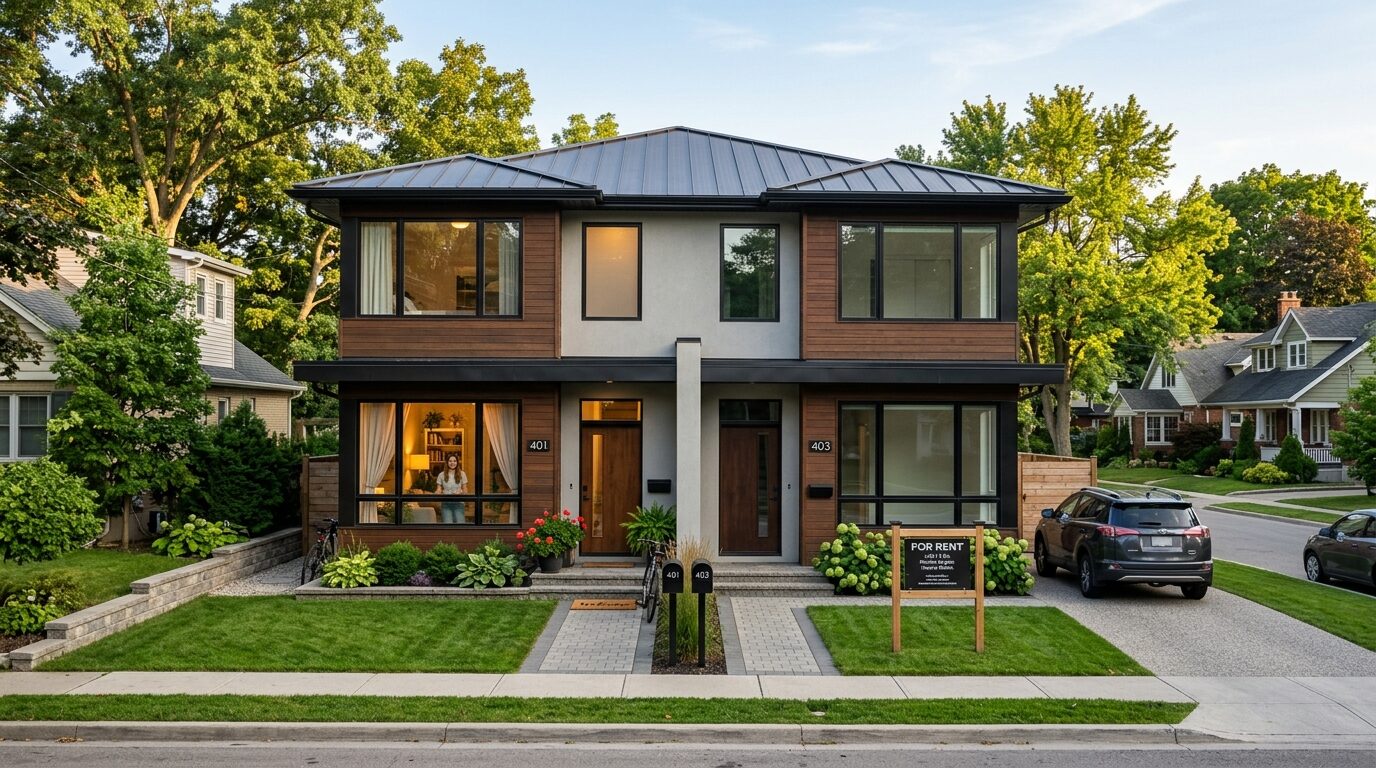

🎯 TL;DR — Quick Answer
VA loan house hacking uses a zero-down VA loan to buy a 2-4 unit property, live in one unit, and rent the others. Combined with rental income credit (75%), it's the most powerful wealth-building strategy available to veterans. Tim Popp (NMLS #2039627) structures VA house hacks.
House hacking is one of the best wealth-building strategies in real estate — and for veterans, the VA loan makes it far more accessible than for any other group of buyers. The concept is simple: buy a multi-unit property, live in one unit, and let your tenants pay your mortgage while you build equity. With zero down payment required and no PMI, veteran house hackers have a structural financial advantage that civilian investors can’t match.
If you’ve never heard the term “house hacking” before, this guide will walk you through exactly how it works, why the VA loan is the right financing tool for it, and what you need to know to do it successfully.

What Is House Hacking?
📌 From Tim — In Practice
In my experience, VA house hacking is the single most powerful strategy I help veterans execute. Zero down on a 0K duplex/triplex = out of pocket (vs K-0K for civilian alternatives). Rent the other units, live for free, build wealth — and graduate to DSCR loans for the next properties.
House hacking means buying a property where you live in part of it and rent out the rest. There are a few ways this plays out:
- Multi-unit house hacking: You buy a duplex, triplex, or fourplex. You live in one unit and rent the others. This is the classic strategy — and the one that works best with a VA loan.
- Single-family house hacking: You live in the primary bedroom and rent out spare bedrooms to roommates. This works with a VA loan on a single-family home and can dramatically reduce your housing cost, though it doesn’t generate the same income as a multi-unit.
- Short-term rental hacking: Renting spare bedrooms or an accessory dwelling unit (ADU) on Airbnb or VRBO. Possible with a VA-financed property once you’re living there, though local regulations vary.
For veteran investors, the multi-unit strategy on a 2–4 unit property is usually the highest-impact approach.
Why the VA Loan Is the Perfect House Hack Vehicle
Here’s what makes this combination unusually powerful:
Zero Down Payment
A duplex in a solid rental market might be priced at $400,000–$600,000 or more depending on your area. A conventional investor loan would require 20–25% down — that’s $80,000 to $150,000 cash before you even get started. With a VA loan, eligible veterans can finance 100% of the purchase price. That capital stays in your pocket for reserves, renovations, or the next deal.
No PMI
Private mortgage insurance (PMI) is required when a buyer puts less than 20% down on a conventional loan. On a $500,000 property, PMI could easily add $200–$400 per month to your payment. VA loans don’t require PMI, which directly improves your cash flow from day one.
Multi-Unit Eligibility
VA loans can be used to buy properties with up to four units — as long as you live in one of them. This is what makes house hacking at scale possible. A fourplex with three income-producing units is a fundamentally different financial proposition than a single-family home.
Rental Income Can Help You Qualify
When you’re buying a multi-unit property, lenders can factor a portion of the expected rental income from the non-owner-occupied units into your qualifying income. This is a major advantage: the building itself helps you qualify for the loan that buys the building.
A Real-World House Hack Example
Let’s walk through how this might look in practice (using hypothetical numbers for illustration — your actual numbers will vary based on your market, credit profile, and lender):
Ready to get started?
See your options in minutes — we’ll get you a real answer fast.
A veteran buys a fourplex using their VA benefit. They occupy one unit as their primary residence. The three remaining units are rented to tenants at market rates. The combined rental income from those three units — after accounting for vacancy and management — is enough to cover most or all of the monthly mortgage payment.
In this scenario, the veteran is:
- Living in the property (satisfying VA occupancy requirements)
- Building equity in a four-unit income-producing asset
- Paying little or nothing out of pocket for housing each month
- Creating a foundation for future portfolio expansion
Over time, as tenants’ rent payments build equity in the property, the veteran has options: refinance to pull cash out for the next deal, sell for a gain, or hold long-term for cash flow and appreciation.

The Occupancy Requirement: What You Must Know
The VA requires you to certify that you intend to occupy the purchased property as your primary residence. For a house hack, this is satisfied — you’re literally living in the building. The requirement is that you occupy within 60 days of closing and maintain the property as your primary residence.
The important nuance for investors: there is no minimum time you must live there before converting the property to a full rental. The requirement is about your intent at the time of purchase. Once you’ve established your occupancy, life circumstances can change — a job relocation, military PCS orders, a growing family — and you’re free to move out and rent your unit along with the others.
This means your house hack can eventually become a fully-rented investment property, at which point your monthly housing costs drop to zero (because you’re living somewhere else) while the building continues generating income.
Finding the Right Property for a VA House Hack
Look for 2–4 Unit Properties in Strong Rental Markets
Your market matters enormously. A fourplex in a high-demand rental area generates significantly more income than one in a low-demand area. Look for neighborhoods with low vacancy rates, strong employment bases, and stable or growing populations.
Run the Numbers Before You Fall in Love
Calculate what the rental income will be from the units you won’t occupy. Factor in vacancy (usually 5–10%), property management if you’ll use it, maintenance reserves, and your actual loan payment. The goal is to get as close to neutral or positive cash flow from the rental units as possible — ideally covering your full mortgage payment.
Consider Property Condition
VA loans have minimum property condition requirements — the VA appraiser will flag significant health and safety issues. Properties that need major work may not pass the VA appraisal. Look for properties that are functional and well-maintained, even if cosmetically dated.
Think About Your Exit
Even before you buy, think about what happens when you move out. Will you self-manage or hire a property manager? Is the property in a location where strong renters will always be available? Would you want to sell eventually or hold long-term?
Thinking about a VA house hack? I help veteran investors structure these deals from the start. Call or text Tim at 949-379-1191 or schedule a call here — I’m licensed in 36 states and DC and I work specifically with investor-minded veterans.
What Happens After You Move Out
This is where house hacking gets really interesting as an investment strategy. Once you’ve satisfied your occupancy requirement and your life situation changes, you can:
- Rent your unit: Start collecting income from the unit you were living in, making the property fully-rented
- Move to your next deal: If you have remaining VA entitlement, consider using it for your next primary residence (which could be another house hack)
- Pursue DSCR financing for pure investment properties: Once you’ve built equity, DSCR loans let you buy non-owner-occupied rentals without your personal income in the qualification equation
- VA cash-out refinance: Pull equity out of your original house hack property to fund future down payments
Common House Hacking Questions from Veterans
Can I use my VA loan for a house hack if I’ve used it before?
Possibly, yes. If you’ve paid off and sold a previous VA property, your entitlement can usually be restored. If you still have an active VA loan, you may have remaining entitlement available. Your specific situation will determine what’s possible — this is worth a direct conversation with a VA-experienced lender.
Do I have to disclose that I plan to rent out the other units?
You don’t need to “disclose” an intent to house hack — you’re buying a multi-unit property and living in one unit, which is entirely permissible and expected. Lenders factor rental income into the qualification anyway. Be straightforward with your lender about your plans.
Can I use short-term rentals (Airbnb) in the units I rent out?
The VA doesn’t specifically prohibit short-term rentals, but local zoning and HOA rules often do. Check your local regulations before counting on short-term rental income.
What if I’m on active duty and need to move?
Military PCS orders are a recognized exception to occupancy requirements. If you’re relocated, you’re not violating your VA loan terms by renting the property — and your property can continue generating income while you’re stationed elsewhere.
House Hacking as a Wealth-Building Foundation
The most successful veteran investors I work with often point to a house hack as the deal that started everything. It’s a low-risk, high-upside entry into real estate: you’re living in the property (so you have direct control), you’re using zero-down VA financing (so your capital is preserved), and you’re generating rental income that can fund future investments.
Every mortgage payment your tenants make builds your equity. Every month of ownership is a month closer to a refinance that generates capital for the next deal. And because you used your VA benefit to get in with no money down, your return on invested capital is theoretically infinite — you’ve made money with money you didn’t have to spend.
That’s not a gimmick. That’s math. And for veterans with VA entitlement available, it’s an opportunity worth taking seriously.
Ready to run the numbers on a VA house hack? Let’s map out what’s possible in your market. Reach out to Tim Popp at 949-379-1191 or contact us here. I specialize in VA loans for investor-minded veterans and I’ll help you build a strategy — not just close a loan.
📍 Local Market Guides
Looking for va loans info specific to your state? Tim has dedicated guides for these markets:
For Different Reader Perspectives
🏠 First-Time Buyer
Quick answer: If you're a veteran buying your first home, you could buy a duplex or triplex with $0 down, live in one unit, and have tenants help pay your mortgage. It's called house hacking, and the VA loan makes it way easier than traditional financing.
From Tim: This is honestly one of the smartest first-time buyer moves I see. You get into homeownership without a big down payment, and your tenants help cover the cost while you learn the ropes.
💼 Self-Employed
Quick answer: House hacking with a VA loan lets veterans buy a 2-4 unit property with zero down and rent out the extra units. If you're self-employed, lenders can use rental income to help you qualify—even without W2s.
From Tim: Self-employed veterans often think they can't qualify, but VA allows us to count rental income plus your 1099 or bank statement docs. It's one of the best setups I see.
🎖️ Veteran
Quick answer: House hacking lets you buy a 2–4 unit property with your VA loan, live in one unit, and have tenants cover your mortgage. You get 0% down, no PMI, and can use projected rents to help you qualify—a major advantage most civilian buyers don't have.
From Tim: This is one of the smartest ways to use your VA benefit. You're building equity while someone else pays the mortgage. If you're even remotely interested in real estate, start here.
🏘️ Investor
Quick answer: House hacking with a VA loan lets veterans acquire 2-4 unit properties with zero down and no PMI—strong first deal for portfolio builders. Rental income helps you qualify, and you can repeat the strategy each time you move.
From Tim: This is how you get your first rental with almost no capital. Once you move out, it becomes a hold. Then you do it again. Smart way to build a portfolio before you need DSCR loans.
🏡 Refi / HELOC
Quick answer: House hacking with a VA loan lets veterans buy a multi-unit property with zero down. If you're already a homeowner, a HELOC or cash-out refi could fund a down payment on an investment property—or cover repairs on your current rental strategy.
From Tim: Already own? You could tap equity via HELOC to fund your next deal. Lower closing costs than a refi, and you only pay interest on what you use. Let's compare what makes sense for your situation.